Pre-Construction Planning
Why Pre-Construction Matters
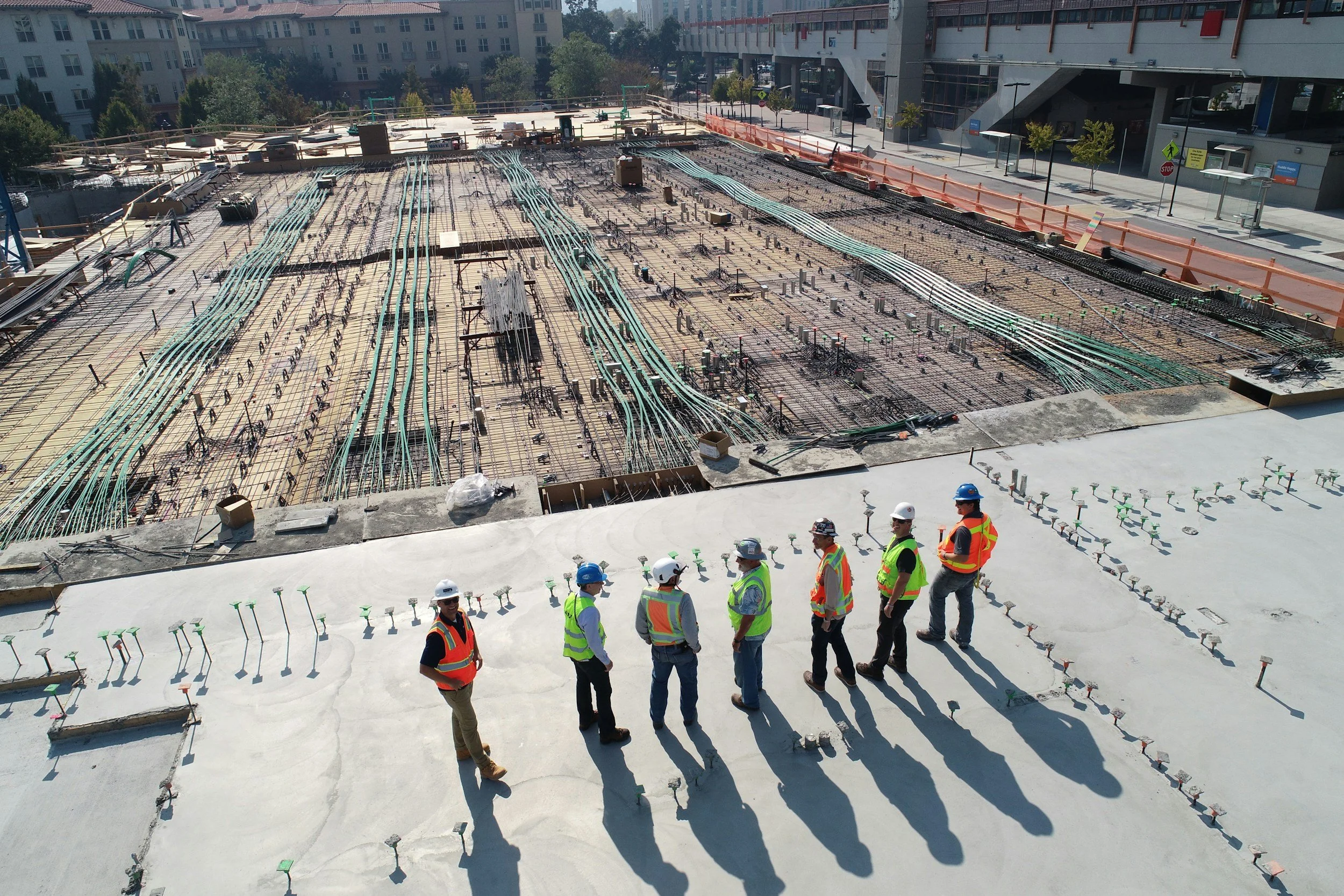
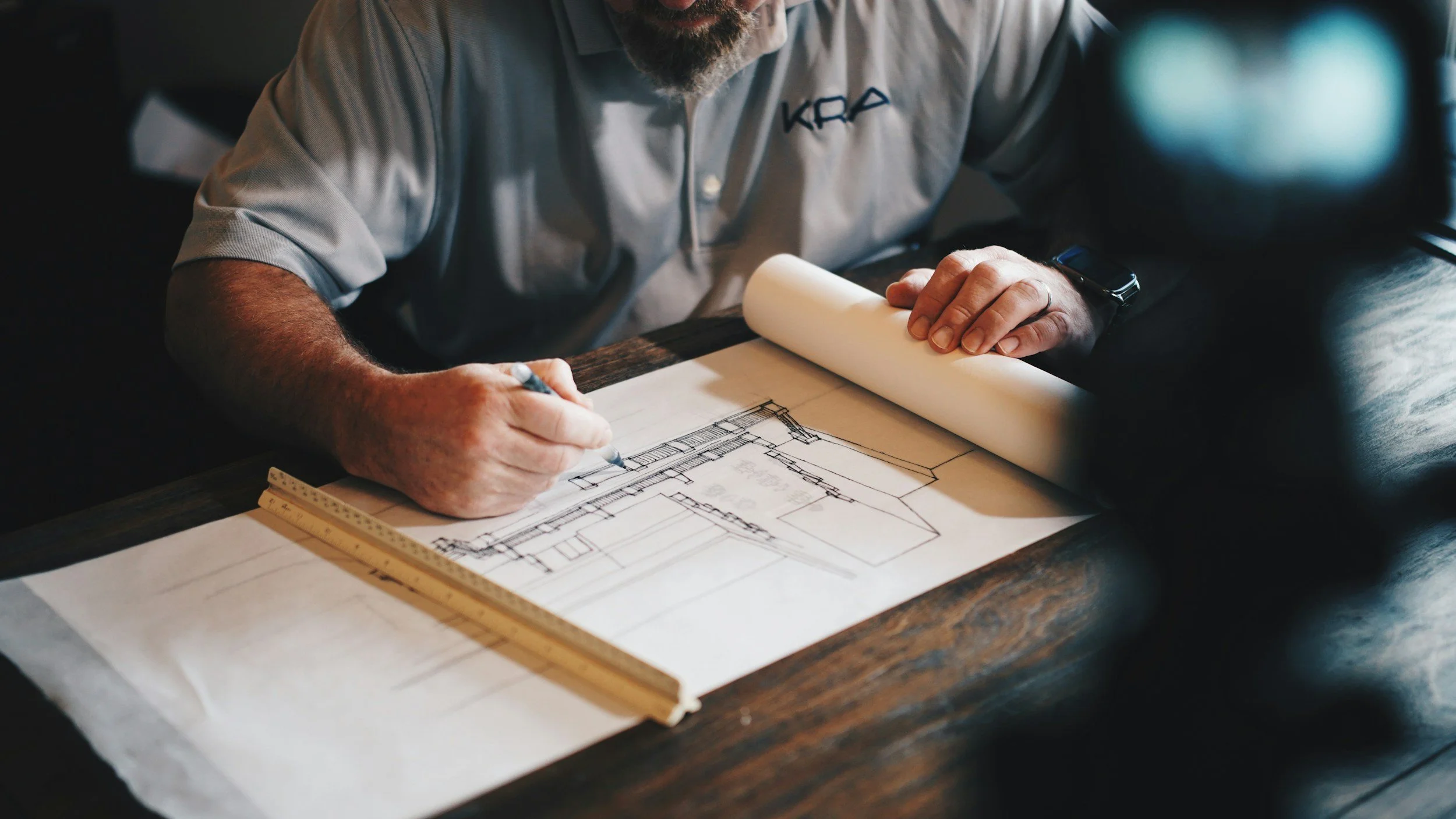
Every successful project begins long before construction starts. Pre-construction planning lays the groundwork for scheduling, budgeting, and risk management—ensuring fewer surprises once work is underway. With over 30 years of experience managing projects across our region, I help owners, architects, and developers anticipate challenges and make informed decisions before the first shovel hits the ground.
What’s Included in Pre-Construction Planning?
I tailor my services to the needs of each project. Pre-construction support may include:
Contract Review
Profit Plan
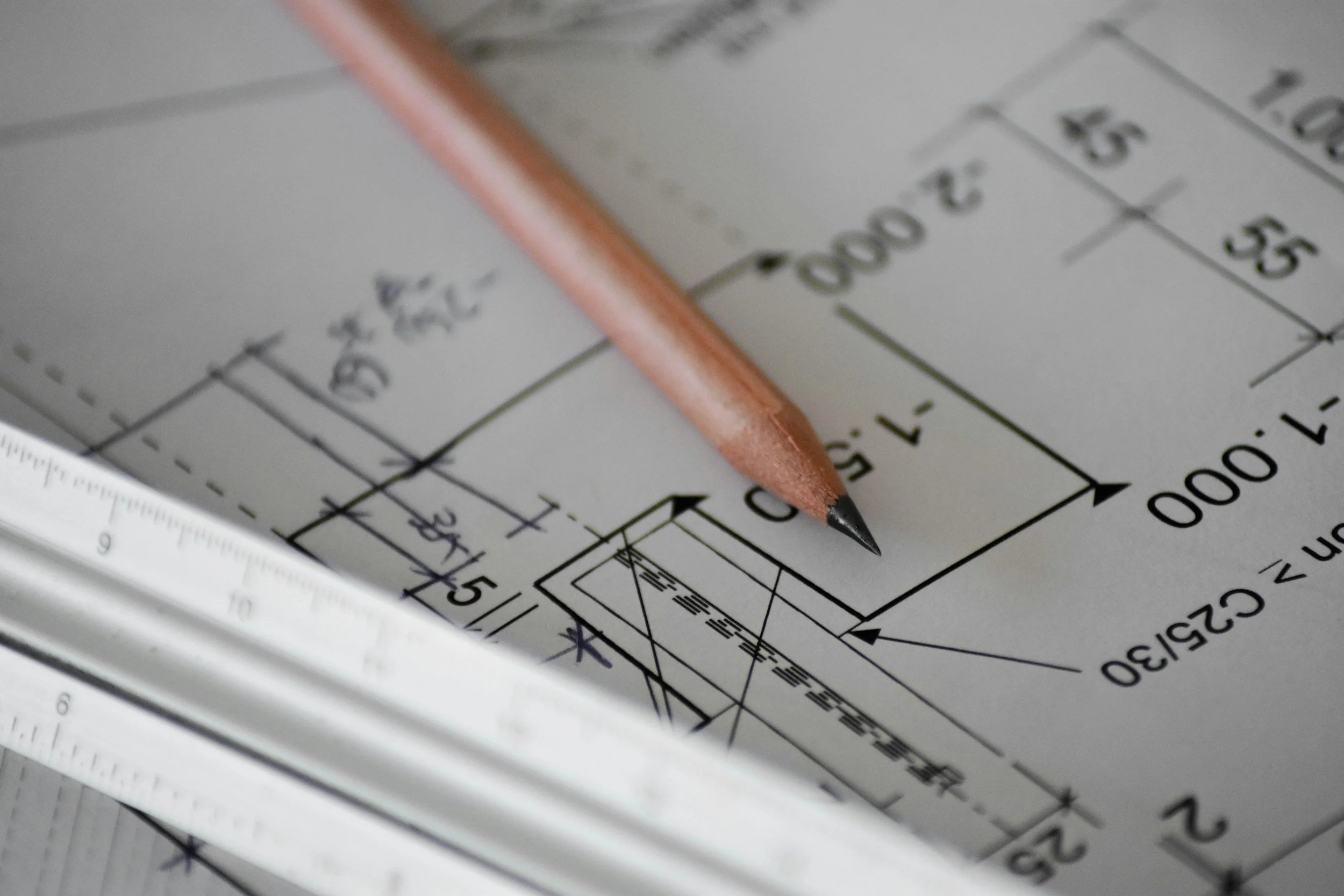
Plan and Specification Review
Construction Cost Estimating
Schedule Development and Management
Risk Assessment and Compliance Planning
Scope Review and Thoroughness
Owner Responsibility. Geotechnical Engineering
Bid Management and Contractor Selection
Site Survey and Control, Quality Control, Soils Testing, Site Services
Pre-Work Readiness Meetings
By addressing these elements early, we create a clear roadmap for success and avoid costly mistakes later in the process.
How I Support Owners and Teams During Pre-Construction Planning
I act as a partner and advocate, bridging communication between owners, design teams, and contractors–ultimately to support project success.
For Owners, my role is to ensure planning is complete and aligned with goals, feasible implementation has been planned for, project milestones meet the dynamic plans.
For Contractors and Sub-Contractors, my role is to protect your profit plan, review project requirements to validate the profit plan, anticipate lessons learned to avoid pitfalls and unplanned costs, and emphasize continuous learning.
For Design Teams, I am your Pre-Construction Manager actively anticipating a ‘rational’ definition of ‘design completion’ and pre-bid risk management.
For other functions, I am your Risk Manager to prevent scope-creep and unexpected costs.
This proactive approach builds confidence, reduces risk, and ultimately engages all project partners into a successful team.
Case Study #1
Case Study – Residential Renovation | Greenbelt, MD
Project Type: Remodeling & Renovation | Under $10K
My role was to coordinate and design for the homeowner prior to renovation. The project involved upgrading a townhouse before sale. The homeowner had received contractor estimates that were inconsistent and inflated.
During my initial meeting, it became clear why: the scope of work was unclear, utility locations were unknown, and there was confusion with the permitting authority. I helped the owner define the scope, drafted multiple design options, and engaged licensed utility professionals to confirm the feasibility of each choice. Once the preferred options were selected, they were priced accurately and built efficiently—with the homeowner completing some work themselves and subcontracting smaller portions as time-and-materials contracts.
Moral of the Story:
An unclear scope cannot be priced—or built—correctly. Both the owner and builder must share the same understanding of the work before construction begins.
Case Study #2
Case Study – Residential Feasibility Study | Annapolis, MD
Project Type: Condominium Renovation | Feasibility Study
My role began as design assistance and coordination for the owner during early construction planning. The goal was to determine whether it was feasible to remove one or two interior walls to open the living room and kitchen. The challenge was to maintain structural support for the two stories above and evaluate the extent of utility relocation required.
We obtained partial structural drawings and performed targeted exploratory work—carefully removing a 12-inch strip of drywall along the wall mid-height to inspect each stud bay. This revealed that a major electrical riser and gas line ran within the proposed wall. Removing it would have required extensive rerouting, costly restructuring, and posed electrical safety risks.
Based on these findings, we advised a No-Go decision for wall removal. The small exploratory repair was easily refinished, and the owners pursued alternate design options—saving significant time, cost, and potential hazard.
Moral of the Story:
Feasibility studies protect clients from unnecessary expense and risk. A small, careful investigation early on can prevent costly mistakes later.